If your dog is part of the family, you want more than a backyard. You want easy places to walk, run, and socialize right where you live. Spring Valley makes that simple, with a mix of fenced off-leash spaces, shady neighborhood parks, and paved paths that connect communities. In this guide, you will learn how to choose the right spots for your pup, what amenities to look for, and how to pick a neighborhood that fits your routine. Let’s dive in.
Why Spring Valley works for dog owners
Spring Valley offers a practical blend of convenience and variety. You have county-managed parks with turf and playfields, multiuse paths along neighborhood washes, and quick drives to larger recreation areas for weekend adventures. Most parks welcome dogs on a leash, and some sites feature designated off-leash areas for social time. With wide sidewalks, frequent pocket parks, and easy access to shopping, you can fit a quick walk or a longer run into almost any day.
Types of dog-friendly spaces
Fenced off-leash dog parks
If your dog enjoys meeting others and working on recall, a fenced off-leash area is ideal. Look for double-gated entries, separate small-dog sections, turf or decomposed granite, and posted rules. These spaces are best for socialization, confidence building, and structured play. Peak times are usually early mornings and after work. Visit at quieter times if your dog is new to group play.
Leash-required neighborhood parks
Most neighborhood parks in and near Spring Valley welcome dogs on a leash. These are perfect for quick potty breaks, relaxed walks, and basic training. Look for loops that circle the park, benches with shade, and nearby parking. You can often pair a park loop with surrounding sidewalks for a one to two mile walk.
Linear trails and wash paths
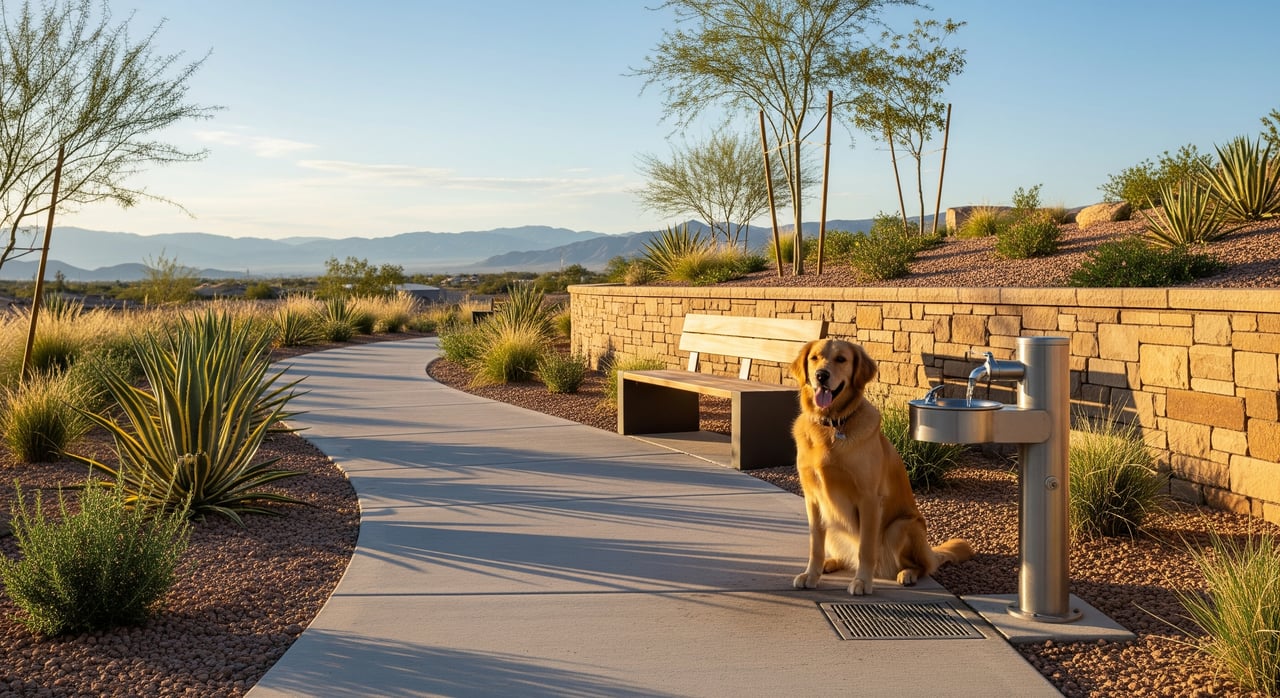
Paved multiuse paths along neighborhood washes connect parks and residential pockets. These routes are excellent for longer, consistent walks or runs with a stroller or scooter in the mix. Surfaces are typically paved with little elevation change. Shade varies by segment, so plan early or late during hot months and bring water for you and your pup.
Nearby regional areas for day trips
Within a short drive, you will find larger open spaces and recreation areas with different rules. Some allow dogs on-leash only, some limit dogs on specific trails, and others may restrict access during sensitive seasons. Always check posted signs at the trailhead before you start and plan extra water and shade for exposed routes.
What to look for at any dog spot
Use this quick checklist to choose safe, comfortable places for your dog:
- Fencing and gates: Fully enclosed areas with double gates reduce escape risk.
- Small-dog and large-dog sections: Separation protects smaller pups and helps you manage energy levels.
- Water and shade: Drinking fountains, water spigots, shade trees, and shade structures help in warm weather.
- Seating and lighting: Benches let you rest, and lighting improves visibility after sunset.
- Waste stations: Bag dispensers and trash cans keep parks clean. Bring backup bags in case dispensers are empty.
- Parking and access: Look for dedicated lots or easy street parking. Check for ADA access if needed.
- Surface and exposure: Paved routes are great for daily runs. Natural surfaces can be easier on joints but may be dusty. Check how much sun the path gets.
Best times and seasons
Spring and fall are the most comfortable months for longer sessions. In summer, limit activities to early morning or after sunset. Winter is generally mild and perfect for mid-day walks on sunny days.
- Summer: Walk before 9 a.m. or after dusk. Test pavement with the back of your hand. If it is too hot for five seconds, it is too hot for paws. Carry water and take shade breaks.
- Shoulder seasons: Wind and dry air can dehydrate you and your dog. Bring more water than you think you need.
- Winter: Morning temperatures can be cool. A light layer may help short-haired breeds, especially on windy days.
Rules, safety, and etiquette
Following local rules keeps everyone safe and welcome.
- Leashes and licensing: Clark County requires dogs to be on a leash unless you are inside a designated off-leash area. Keep your dog’s license and vaccinations current as required by county animal services.
- Waste removal: You must pick up after your dog. Pack extra bags and use the nearest can.
- Heat and hydration: Plan short sessions during hot spells. Offer water often and watch for signs of overheating like excessive panting or sluggish movement.
- Wildlife and terrain: Spring and summer can bring desert wildlife such as snakes. Keep your dog close on natural trails and avoid tall brush.
- Park courtesy: Ask before allowing greetings. Move along if your dog seems overwhelmed. If your dog is reactive, visit at off-peak times or use quieter neighborhood loops.
Simple route ideas you can customize
You can create easy, repeatable routes by combining a park loop with sidewalks or wash paths.
- The 20-minute loop: Walk the perimeter of a neighborhood park, then add two to three residential blocks with sidewalks. Aim for a flat, shaded circuit you can repeat.
- The 40-minute out-and-back: Start at a park with parking and restrooms. Follow a paved wash path for 15 to 20 minutes, then return. Choose segments with lighting if walking at dusk.
- The weekend trainer: Mix short intervals of jogging with brisk walking on a paved path. Use benches or shade trees as markers for intervals. Keep your dog on a loose leash and bring water.
Before trying a new route, preview crossings and sidewalk continuity on a map. Avoid mid-block crossings on busy streets and choose routes with safe crosswalks.
Picking a pet-friendly neighborhood
When you shop for a home in Spring Valley, think about daily routines as much as floor plans. A home that places you within a short walk of green space can transform your schedule.
Consider these factors:
- Walkability to parks and paths: Being within a 3 to 5 minute walk of a park is ideal. A 5 to 15 minute walk covers most quick-out-the-door breaks. A 5 to 15 minute drive is still convenient for weekend sessions.
- Yard and layout: A fenced yard is helpful for quick potty breaks. Single-story layouts can be easier for senior dogs.
- Sidewalks and traffic: Continuous sidewalks and calmer streets make regular walks safer and more pleasant.
- HOA and rental policies: Review pet limits, deposits, and any breed or size rules. Confirm details in writing before you commit.
- Nearby pet services: Put groomers, training classes, and veterinary clinics within a short drive to reduce stress in urgent situations.
How we help you narrow the search
You should not have to compromise on lifestyle. If parks and trails are part of your every day, your home search should reflect that. A tailored plan can prioritize homes within walking distance of green space, with yards that suit your dog’s size and energy level, and with HOA guidelines that match your needs. You can also gain access to a curated map of dog-friendly options, sample routes, and time-of-day tips for each micro-area. When you are ready to explore, connect with Deryck Campbell for personalized guidance that fits your routine.
Practical gear checklist
Keep a lightweight kit near your door or in your car so you can go anytime.
- Leash and collar or harness with ID tags
- Waste bags and a spare roll
- Collapsible water bowl and bottled water
- Paw balm or booties for hot days
- Small towel and wipes for muddy paws
- Portable light or collar light for dusk walks
Etiquette for off-leash areas
Off-leash spaces are shared and work best when everyone follows the same playbook.
- Enter calmly: Pause in the double-gated area to remove the leash and let your dog observe before entering.
- Read the room: Scan for size and energy mix. Choose the small-dog section if your dog is petite or cautious.
- Keep moving: Circulating helps prevent crowding and resource guarding near benches or gates.
- Intervene early: If play becomes too rough or your dog looks uncomfortable, take a short break outside the fence.
Day-trip planning beyond the neighborhood
For a change of scenery, consider larger recreation areas within a short drive. Rules vary by site and season. Some allow dogs on-leash only, some limit access to certain trails, and others may close areas temporarily. Always check posted signs at the trailhead and bring extra water, a cooling towel, and a shade plan. Start early and aim for shorter routes during warm months.
Moving to Spring Valley with pets: a quick prep list
Set up your routine before you move in so you can hit the ground running.
- Confirm local licensing and vaccination requirements with county animal services.
- Collect medical records and microchip details from your current veterinarian.
- Pre-map two nearby parks and one paved path option for quick walks.
- Identify the closest veterinary clinic and emergency hospital.
- If you rent, request any pet addendums and verify deposits and limits in writing.
- For HOA communities, review pet sections of the CC&Rs before you make an offer.
Ready to align your home search with your dog’s lifestyle?
Spring Valley gives you practical choices for everyday walks, social time, and weekend adventures. With the right plan, you can live near green space, enjoy safer routes, and streamline your daily routine. If you want a curated list of neighborhoods with easy park and trail access, and help confirming pet rules before you commit, connect with Deryck Campbell. You will get concierge-level guidance tailored to you and your pup.
FAQs
Where can I take my dog off-leash in Spring Valley?
- County-managed parks with designated, fenced off-leash areas allow off-leash play; always check posted rules and hours at the gate before entering.
Are there paved, stroller-friendly paths for daily runs?
- Yes, many neighborhood wash paths are paved and flat, making them ideal for steady runs or walks with a stroller; plan shade and carry water.
What amenities should I expect at dog parks?
- Look for double-gated entries, separate small-dog areas, shade, benches, water stations, lighting, and nearby parking; bring backup water and waste bags.
What are the local leash and licensing rules?
- Clark County requires leashes in public spaces unless you are inside a designated off-leash area, and you should keep licensing and vaccinations current per county rules.
How do I choose a pet-friendly neighborhood in Spring Valley?
- Prioritize homes within a short walk of parks or paths, confirm HOA or lease pet rules, and evaluate yards, sidewalks, and traffic patterns for safe daily walks.
How can I keep my dog safe in summer heat?
- Walk early or late, test pavement with your hand, carry water, rest in shade, and watch for signs of overheating like heavy panting or slowing down.
How do I find rentals that accept pets?
- Ask for written pet policies and addendums, confirm deposits and limits before signing, and request any HOA pet guidelines if the rental is in a managed community.